GPT Image 1.5: Everything You Need to Know
GPT Image 1.5 represents a fundamentally different approach to image generation. Instead of the diffusion process used by FLUX and Stable Diffusion, it generates images autoregressively — token by token — in the same unified space as text. This architectural decision means it understands instructions at a deeper level than any diffusion model, resulting in unmatched precision when following complex prompts. It's the successor to DALL-E but shares more DNA with GPT-4 than with any image model. Ranked #1 on the LMArena Text-to-Image leaderboard, it's the model to choose when instruction adherence matters most.
See examples and try GPT Image 1.5 on PicPresto →
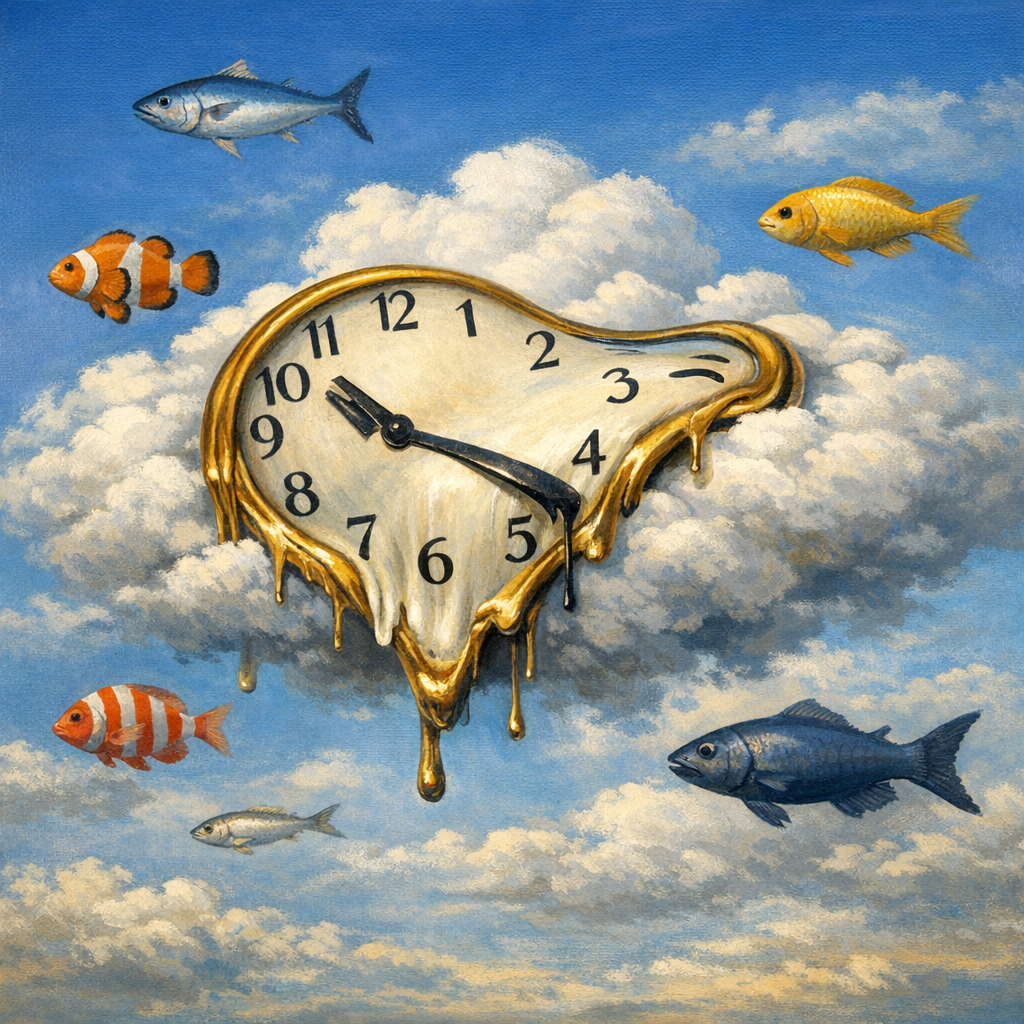
At a Glance
| Category | Image Generation |
| Creator | OpenAI |
| Released | December 16, 2025 |
| Parameters | Undisclosed (based on GPT-4o architecture) |
| Architecture | Autoregressive Multimodal Transformer |
| Resolution | Up to 1536×1024 |
| License | Proprietary (API access via OpenAI) |
| PicPresto Tier | Pro |
| Credit Cost | 10 credits per image |
| Approx. Cost | $0.04 per image |
About OpenAI
The AI research company behind ChatGPT, GPT-4, and DALL-E. OpenAI pioneered the modern era of large language models and has expanded into multimodal AI with native image generation capabilities.
GPT Image marks a fundamental architectural shift — it's autoregressive (token-by-token) rather than diffusion-based, representing a completely different approach to image generation than DALL-E.
How It Works
Unlike diffusion-based models, GPT Image generates images autoregressively (token by token) in a unified token space shared with text. This architectural departure from DALL-E means the model understands instructions at a fundamentally deeper level, treating image generation as a natural extension of language.
Training data: Undisclosed. Likely trained on vast image-text pair datasets. OpenAI keeps specifics proprietary.
Key Innovations
- First major autoregressive (non-diffusion) image generation model — a fundamental architectural departure
- Unified token space for text and images enables deep understanding of complex instructions
- 4x faster generation than GPT Image 1 with 20% lower cost
- Superior instruction following: precise edits that preserve lighting, composition, framing, and subject likeness
- Transparent background support built in
Example Generations
Here are some examples of what GPT Image 1.5 can produce:
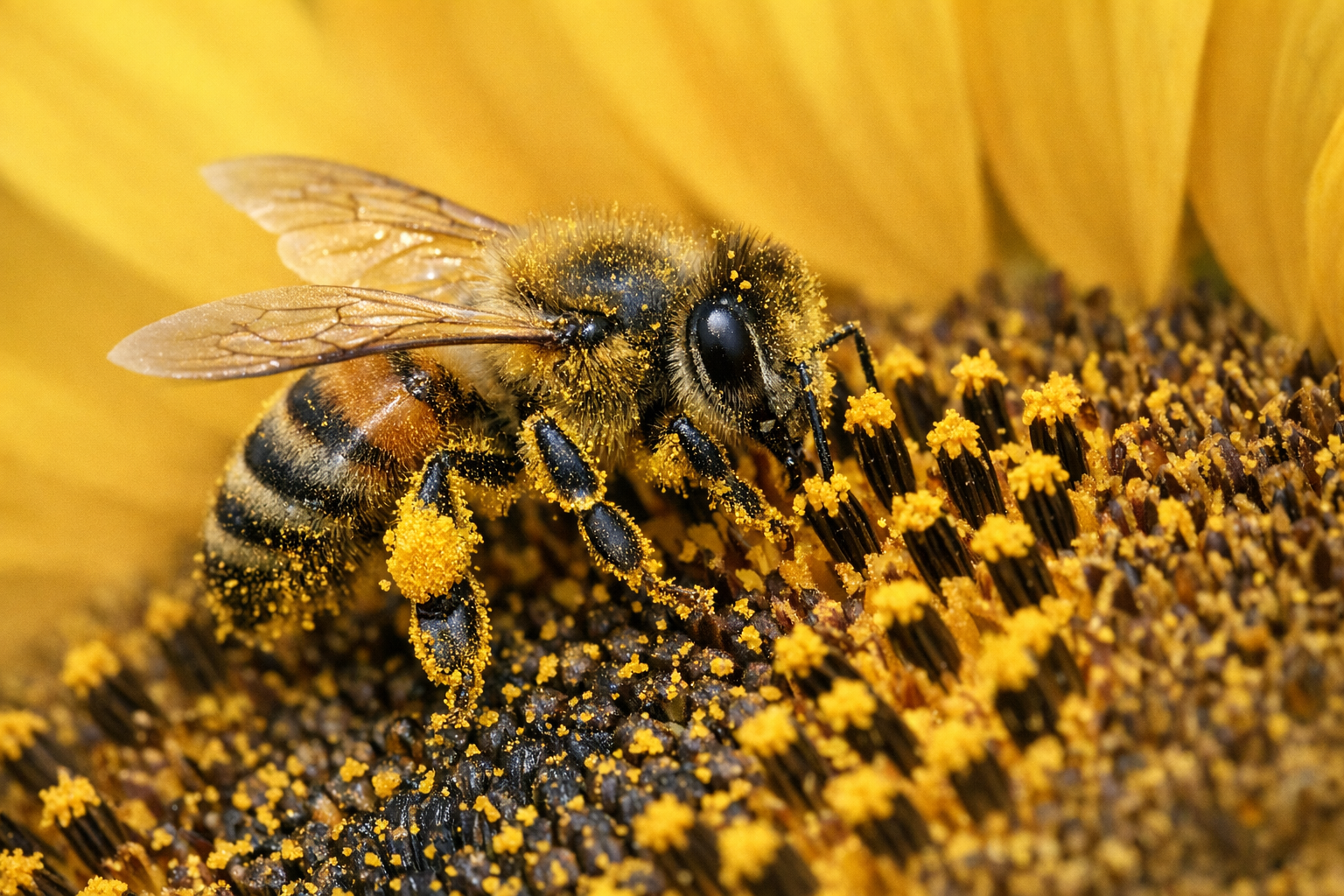
"A photorealistic close-up of a honeybee on a sunflower with visible pollen grains"
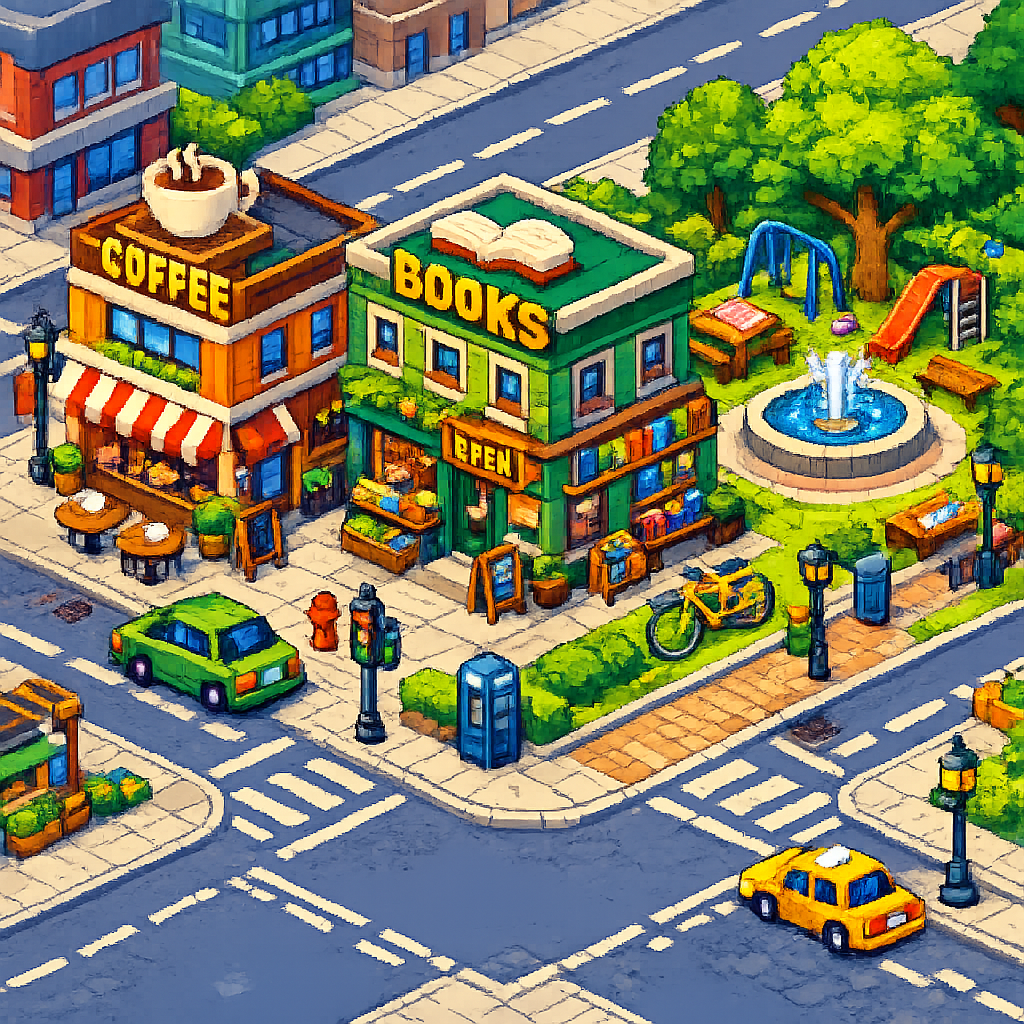
"An isometric pixel art city block with a coffee shop, bookstore, and park, vibrant colors"
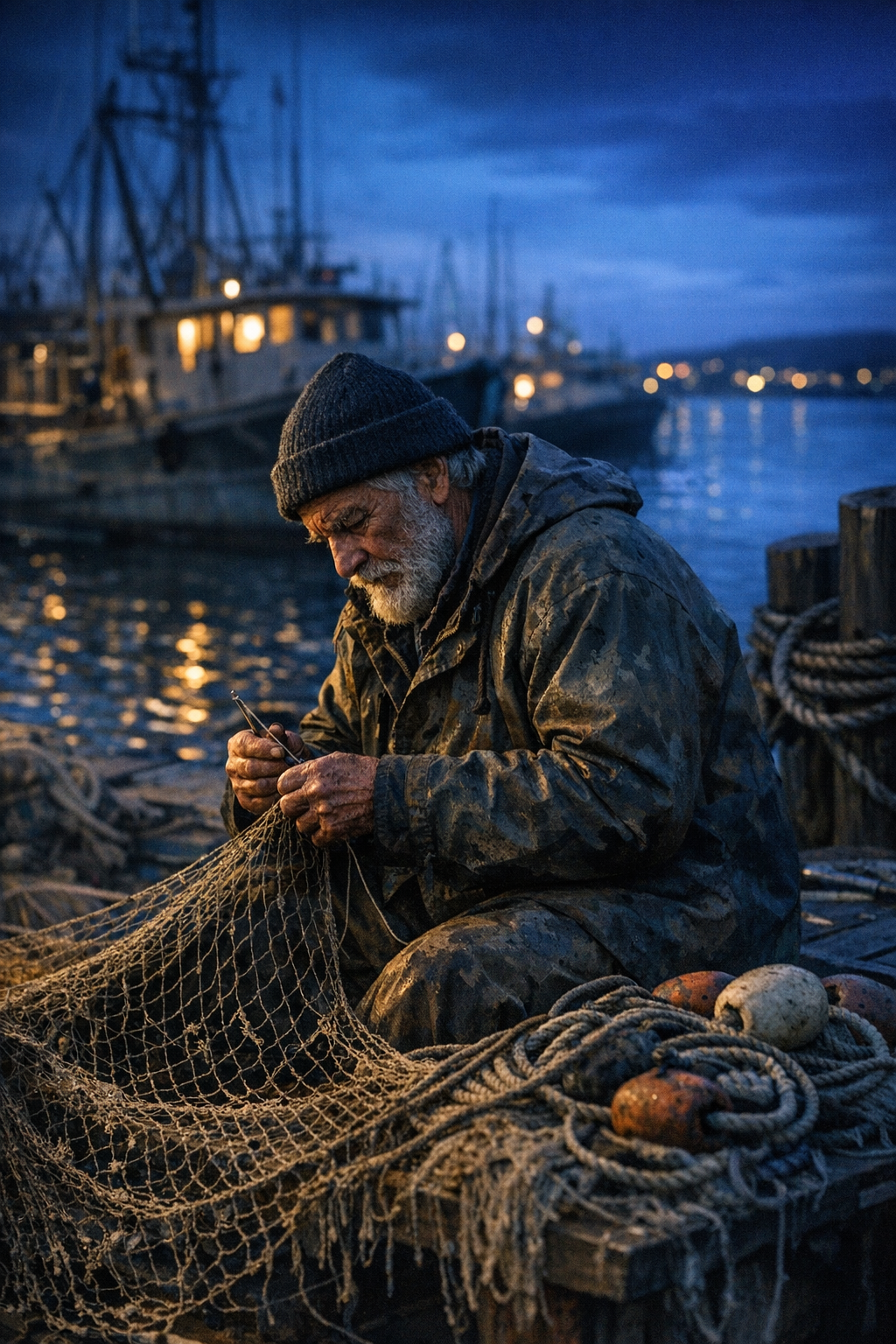
"A weathered fisherman mending nets at a dock during blue hour, cinematic photography"
Why People Love It
- Instruction following is genuinely unmatched — describe what you want and it delivers
- The autoregressive approach means it 'understands' prompts rather than just pattern-matching
- Ranked #1 on LMArena for a reason — consistently high quality across diverse prompts
- Identity-preserving edits are incredibly precise: change the background but keep the subject identical
- ChatGPT integration makes the creative workflow feel natural and conversational
Strengths
- Best-in-class instruction adherence — it does exactly what you describe with remarkable precision
- Autoregressive approach enables fundamentally deeper text-image integration than diffusion
- Excellent at precise, identity-preserving edits (change one thing, keep everything else)
- Strong text rendering in generated images, especially improved in v1.5
- Multiple quality tiers (Standard, HD, Ultra) allow cost optimization
- Seamless ChatGPT integration for conversational creative workflows
Limitations
- Maximum resolution of 1536×1024 — no ultra-high-resolution output
- Closed source with API-only access — no fine-tuning or local deployment
- Ultra quality tier can be expensive at scale
- Less stylistic diversity than some diffusion-based alternatives
- Cannot be customized or fine-tuned for specific use cases
Best Use Cases
- Precise image editing and manipulation where accuracy matters
- Text-heavy image generation (packaging mockups, signage, UI designs)
- Conversational creative workflows through ChatGPT
- Production environments requiring reliable instruction following
- Applications where edit precision matters more than raw artistic diversity
Using GPT Image 1.5 on PicPresto
GPT Image 1.5 is available on PicPresto as a Pro tier model at 10 credits per image (approximately $0.04).
See examples and try GPT Image 1.5 →
Head to the studio, select the model from the model picker, write your prompt, and start creating.